
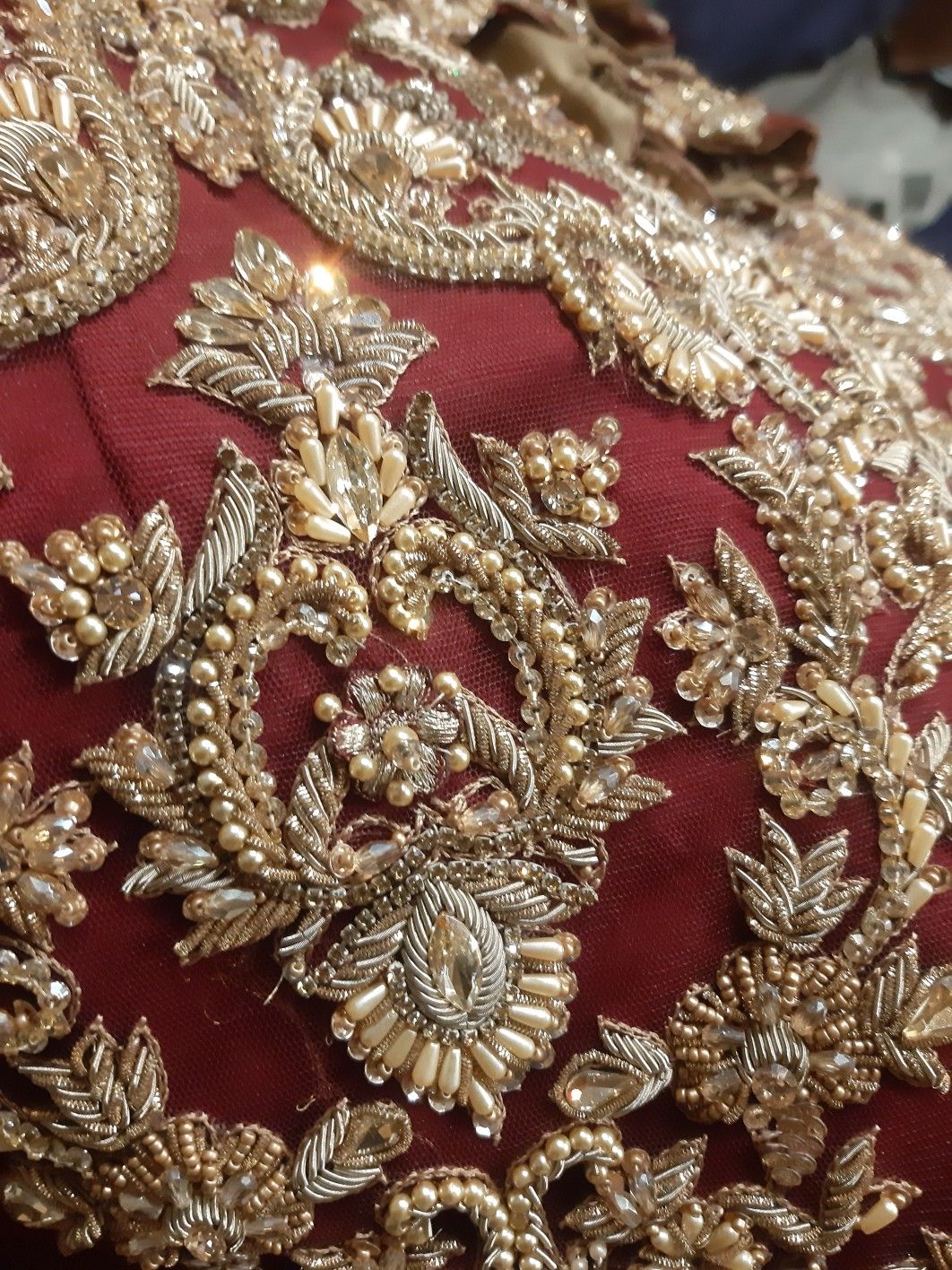
The Origin of Adda Work: A Glimpse Into Royal Heritage
Adda work is one of the most celebrated forms of hand embroidery in Pakistan, admired for its delicate patterns and regal appearance. This traditional craft has deep roots in the royal courts of South Asia, where artisans meticulously decorated garments for nobility. Known for its elegance and intricate designs, adda work reflects a timeless artistry that combines cultural heritage with skilled craftsmanship. The name itself hints at the communal nature of its creation, as artisans often worked together in small workshops, sharing techniques passed down through generations.
Historically, adda work was favored for formal attire, including wedding formals dresses, sherwanis, and luxurious shawls. It was not just embroidery but a statement of status and refinement. The patterns often drew inspiration from Mughal motifs, featuring floral designs, geometric shapes, and ornate borders. Over the years, adda work has maintained its charm, becoming a signature element in Pakistani fashion that represents tradition, artistry, and elegance. Today, this exquisite embroidery is also prominently featured on Pakistani women’s dresses online, making the heritage craft accessible to modern shoppers worldwide.
The Techniques Behind Adda Work
Adda work is defined by its meticulous hand-stitched patterns, created using a variety of techniques. The embroidery is typically done on fine fabrics such as chiffon, silk, or organza, which allows the delicate stitches to shine. Artisans use a combination of chain stitches, satin stitches, and interlaced thread patterns to achieve a raised, textured effect. The uniqueness of adda work lies in its structured layout, where each motif is carefully planned to create a balanced and harmonious design.
One of the most distinctive features of adda work is its use of a cord-like thread, which is skillfully sewn to create an embossed look. This technique requires patience and precision, often taking days or even weeks to complete a single panel. Traditionally, adda work also incorporates subtle embellishments such as beads, sequins, or metallic threads, which enhance the overall richness of the design without overpowering the elegance of the embroidery. This combination of skill and artistry makes adda work a highly respected craft in Pakistan and beyond, whether seen on wedding formals dresses or casual wear for Pakistani women dresses online.
The Cultural Significance of Adda Work
Adda work is more than just decorative embroidery; it is a cultural symbol that carries historical and social significance. In Pakistan, this art form is often associated with weddings, festivals, and special occasions, where wearing adda work is considered a mark of sophistication and taste. The intricate designs reflect the artistry of local craftsmen and the rich heritage of the region, connecting modern fashion with centuries-old traditions.
The communal aspect of adda work also highlights its cultural importance. In many communities, multiple artisans collaborate on a single garment, sharing knowledge and preserving traditional techniques. This makes each piece not only a work of art but also a testament to collective creativity and cultural pride. Beyond clothing, adda work is sometimes seen on decorative household items such as table runners, cushion covers, and wall hangings, extending its influence into everyday life while maintaining its royal aura.
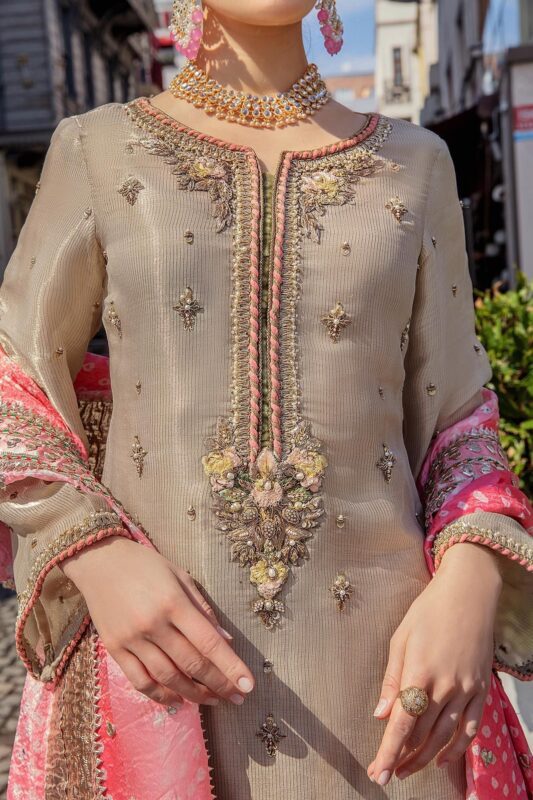
Modern Adaptations and Fashion Trends
While adda work has deep traditional roots, it has also evolved to meet contemporary fashion trends. Modern designers in Pakistan are incorporating this embroidery into everyday wear, fusion clothing, and even high-fashion collections, making it accessible to a wider audience. Today, adda work can be seen on casual kurtas, festive gowns, and even stylish jackets, blending heritage craftsmanship with modern aesthetics.
The versatility of adda work lies in its ability to complement both minimalistic and ornate designs. Some contemporary pieces feature simple patterns on neutral fabrics, offering subtle elegance, while others retain elaborate motifs for a more luxurious appeal. Designers often experiment with color combinations, fabric choices, and placement of embroidery to create fresh interpretations without losing the essence of the traditional art form. This adaptability ensures that adda work continues to be relevant in the modern fashion industry, bridging the gap between history and contemporary style.
Preserving the Art of Adda Work
Preservation of adda work is crucial to maintaining Pakistan’s rich cultural heritage. As mass-produced embroidery and machine-made fabrics become more common, traditional hand-stitched techniques face the risk of being overshadowed. Many artisans and organizations are working to safeguard this craft by teaching younger generations, documenting techniques, and promoting awareness of its historical and cultural value.
Supporting the preservation of adda work involves appreciating the time, skill, and creativity invested in each piece. Unlike machine embroidery, every stitch in adda work carries a personal touch, making each garment unique. Artisans often spend weeks perfecting a single pattern, ensuring precision and symmetry that machines cannot replicate. By recognizing and valuing these efforts, both local communities and global audiences contribute to the survival of this royal handcraft. Preserving adda work not only honors the artisans but also keeps a centuries-old tradition alive, allowing future generations to experience the elegance and heritage of Pakistan’s embroidery legacy.
Preserving Adda Work: Keeping Pakistan’s Royal Embroidery Tradition Alive
Adda work is a royal hand embroidery that represents the rich cultural heritage of Pakistan. With its intricate patterns, skilled techniques, and historical significance, it remains one of the most cherished forms of traditional embroidery. From its origins in royal courts to its modern adaptations in contemporary fashion, adda work continues to symbolize elegance, craftsmanship, and timeless beauty. Understanding the artistry behind adda work allows us to appreciate not only its visual appeal but also the cultural and historical stories stitched into every piece. This exquisite handcraft stands as a testament to Pakistan’s enduring legacy of textile artistry, making it a treasured element of both traditional and modern wardrobes.